


Disability-Driven Performance Art: A New Era

The realm of performance art is undergoing a transformation, with a significant movement at its core that is redefining storytelling and audience engagement. This movement is driven by disability-focused performance art, where artists with disabilities spearhead the creative journey. Our voices, viewpoints, and talents infuse the stage with renewed vitality and richness. This emerging era encourages us to reconsider art, inclusion, and the essence of performance.
The Rise of Disability-Driven Performance Art
Performance art driven by disability goes beyond mere representation. It encompasses leadership, innovation, and authenticity. Artists with disabilities have moved beyond being mere participants or subjects; they have become creators and directors. They craft narratives that mirror their life experiences, challenge stereotypes, and celebrate diversity.
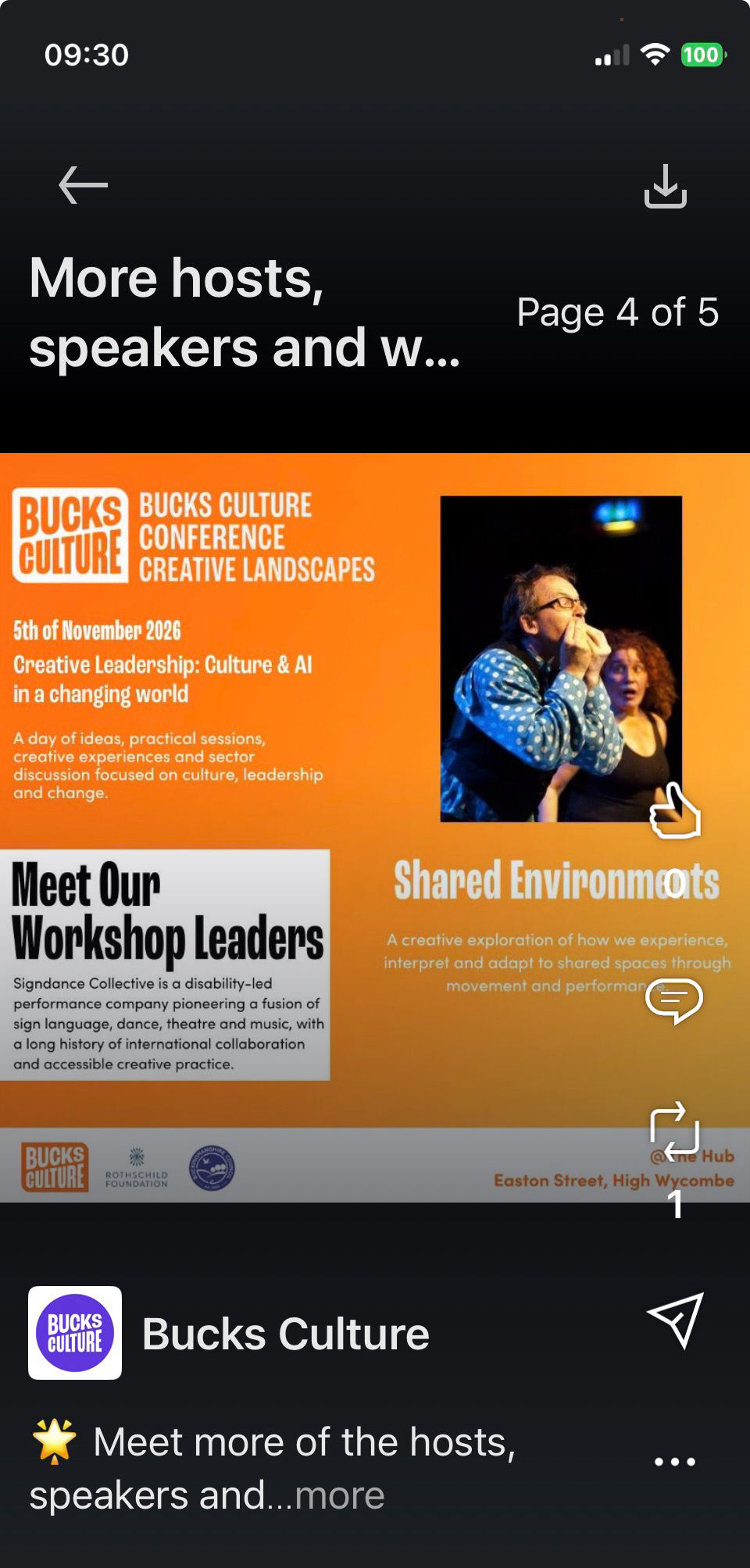
This transformation is evident in numerous groundbreaking projects worldwide. For instance, companies such as Signdance Group - Signdance Collective UK and Znakovni Ples Croatia integrate sign language, dance, live original music, and visual storytelling to create performances that resonate with both Deaf and hearing audiences. Their work surpasses traditional boundaries and invites everyone to experience art in novel ways.
The influence of this movement extends beyond the stage. It prompts cultural organizations to reconsider accessibility and inclusion. It promotes collaboration between disabled and non-disabled artists, fostering mutual respect and creativity. The outcome is a richer, more vibrant arts landscape.

Exploring the Unique Language of Disability-Driven Performance Art
One of the most intriguing elements of the Signdance Groups' performance art is its distinctive language. This art form frequently merges movement, sign language, sound, and visual components to craft a multi-sensory experience. It challenges traditional storytelling techniques and encourages audiences to engage in new ways.
For example, Deaf-led performances utilize sign language not merely for communication but as a fundamental artistic component. The fluidity and expressiveness of signs are integrated into the choreography. Likewise, artists with mobility impairments incorporate their movements and assistive devices into the performance, transforming limitations into creative assets.
This method enhances the narrative and creates new avenues for emotional connection. It also emphasizes the significance of accessibility in the arts, prompting venues and organizations to modify their spaces and practices.
The Power of Collaboration and Community
Collaboration is central to the Signdance Groups' disability-driven performance art. It flourishes through the exchange of ideas among artists of various abilities and backgrounds. This collaborative approach encourages innovation and dismantles barriers.
Many projects start with workshops where artists explore movement, voice, and visual design. These sessions provide a safe environment for exploration and shared learning. The process itself becomes part of the art, embodying themes of inclusion and empowerment.
Community engagement is also vital. Performances often include local Deaf and disabled communities, inviting them to join as audience members, co-creators, or facilitators. This interaction strengthens cultural ties and keeps the art relevant and significant.

Practical Steps to Support Disability-Driven Performance Art
Supporting this vibrant art form requires intentional actions from cultural organizations, artists, and audiences alike. Here are some practical recommendations:
Prioritize Accessibility
Make sure venues are physically accessible and clearly communicate and understand access requirements. Accessibility should be a standard, not an afterthought.
Foster Inclusive Programming
Incorporate disability-focused performances into regular programming. Emphasize diverse voices and narratives to expand audience perspectives.
Invest in Training and Development
Offer workshops and residencies for disabled artists. Encourage collaborations that blend different artistic disciplines and abilities.
Engage with Communities
Build relationships with Deaf and disabled communities. Listen to their needs and invite their participation in planning and feedback.
Promote Awareness and Education
Use marketing and outreach to educate all audiences about the value of disability-driven performance art. Share stories behind the performances to deepen understanding.
By taking these steps, we can help disability-driven performance art flourish and reach wider audiences.
Embracing a Future of Inclusive Creativity
The future of performance art is promising and inclusive. Performance art driven by disability is at the forefront, redefining the creation and experience of art. It challenges us to view ability from a fresh perspective and to celebrate the richness of human diversity.
As this movement expands, it invites more artists to come forward and share their unique voices. It encourages cultural organizations to innovate and broaden their reach. Most importantly, it connects Deaf and hearing communities through shared narratives and emotions.
I believe this new era of performance art will continue to inspire and transform. It reminds us that art is for everyone, not just a select few. Together, we can support and celebrate this powerful movement, ensuring every story finds its stage.
This investigation into performance art driven by disability unveils a realm where obstacles disappear, and creativity flourishes in all its forms. It advocates for embracing diversity, fostering inclusion, and celebrating the art that arises when everyone is empowered to express themselves.


Comments