


Understanding the Art of Signdance Performance Art

The world of performance art is vast and varied, but few forms are as captivating and inclusive as signdance theatre. This unique art form blends the expressive power of dance with the visual language of sign language. It creates a vibrant space where Deaf and hearing communities can connect, communicate, and celebrate culture together. As someone deeply fascinated by this art, I want to share insights into its beauty, history, and significance.
Exploring Signdance Performance Art
Signdance performance art is a dynamic fusion of movement and sign language. It goes beyond traditional dance by incorporating the rich vocabulary of sign language into choreography. This combination allows performers to tell stories, express emotions, and convey complex ideas without spoken words.
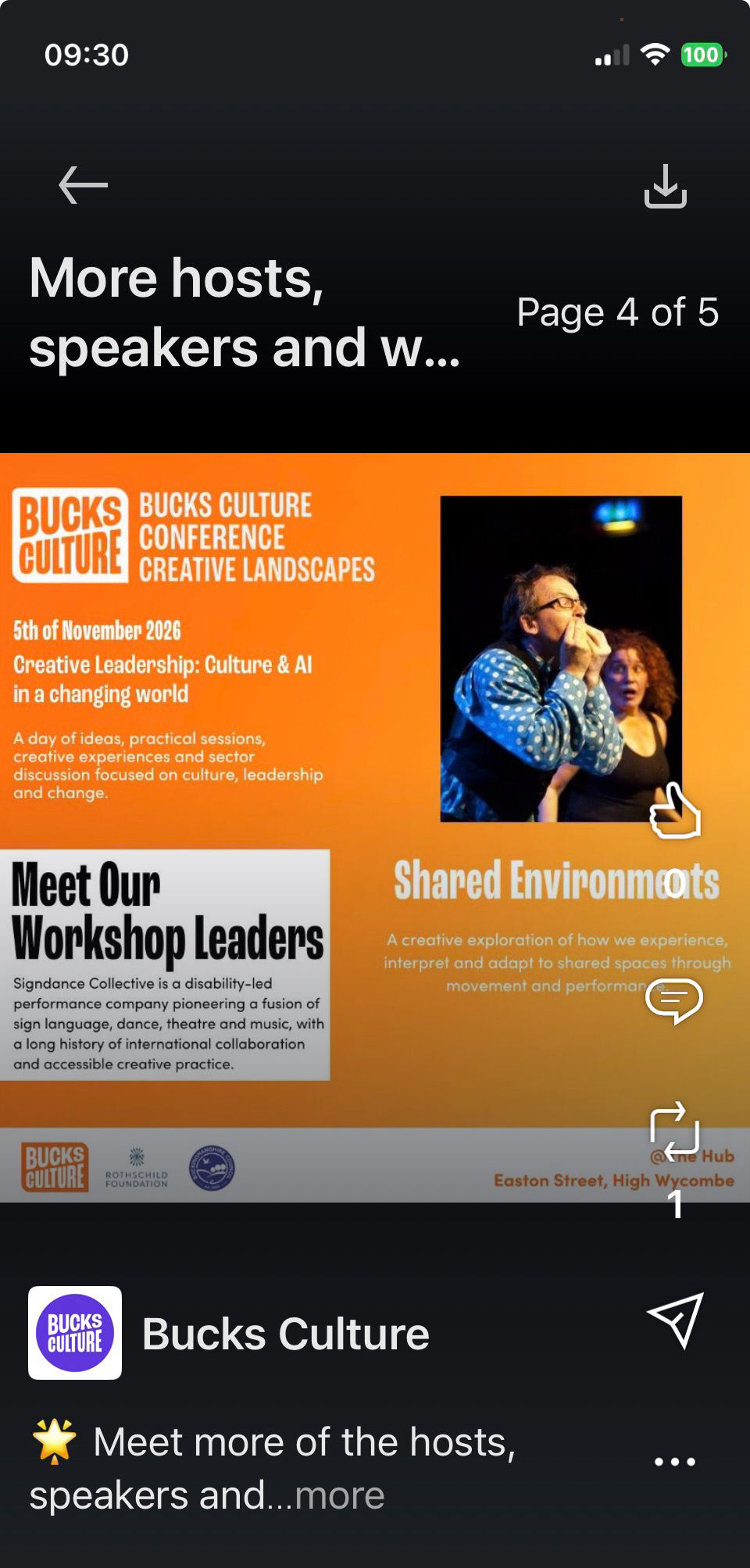
The Signdance Group, pioneers in this field, have crafted performances that highlight the beauty of Deaf culture and the power of inclusive storytelling. Their work invites audiences to experience language and movement in a new, immersive way.
In practice, signdance performance art involves:
Choreographed sign language that flows with music and rhythm.
Expressive body movements that enhance the meaning of signs.
Visual storytelling that bridges communication gaps.
Collaboration between Deaf and hearing artists to create authentic performances.
This art form challenges traditional boundaries and invites everyone to engage with language and dance on equal footing.
The Roots and Evolution of Signdance Theatre
Understanding the origins of signdance theatre helps us appreciate its cultural and artistic significance. It emerged from the desire to create a performance space that honors Deaf identity and language. Traditional theatre often relies heavily on spoken dialogue, which can exclude Deaf audiences and performers.
Signdance theatre breaks this mold by centering sign language as a primary mode of expression. It draws from Deaf culture, contemporary dance, and theatre traditions to form a new, hybrid art form. Over the years, it has evolved through experimentation and collaboration, gaining recognition worldwide.
The Signdance Group has been instrumental in this evolution. Their innovative approach combines storytelling, dance, and sign language to create performances that resonate deeply with diverse audiences. They continue to push boundaries, exploring new ways to communicate and connect.
If you ever wonder what is signdance theatre, this blend of art forms is the answer. It is a celebration of language, movement, and community.
Is Dance Considered Theatre?
This question often arises when discussing signdance performance art. Dance and theatre share many elements, but they also have distinct characteristics. Theatre traditionally involves scripted dialogue, characters, and a narrative structure. Dance focuses on movement, rhythm, and physical expression.
However, the lines between these art forms blur in signdance theatre. Here, dance becomes a vehicle for storytelling, and sign language adds a theatrical dimension. The performers use their bodies not only to move but also to communicate meaning and emotion.
In this context, dance is very much considered theatre. It embraces theatrical elements such as:
Narrative storytelling through movement and signs.
Character development expressed visually.
Emotional engagement with the audience.
Use of stage, lighting, and music to enhance the experience.
Signdance theatre proves that dance can be a powerful form of theatre, especially when it incorporates language and cultural identity.
How Signdance Theatre Bridges Communities
One of the most inspiring aspects of signdance theatre is its ability to connect Deaf and hearing communities. It creates a shared space where communication barriers dissolve, and mutual understanding grows.
Performances are designed to be accessible and engaging for everyone. The use of sign language ensures Deaf audiences can fully participate, while the dance and visual storytelling captivate hearing viewers. This inclusivity fosters empathy and appreciation across cultures.
Moreover, signdance theatre encourages collaboration between Deaf and hearing artists. This partnership enriches the creative process and produces authentic, meaningful work. It also challenges societal norms about language, ability, and art.
For cultural organizations, supporting signdance theatre means promoting diversity and inclusion. It offers a model for how art can unite people and celebrate difference.
Practical Tips for Experiencing and Supporting Signdance Theatre
If you want to explore signdance theatre further or support its growth, here are some practical steps:
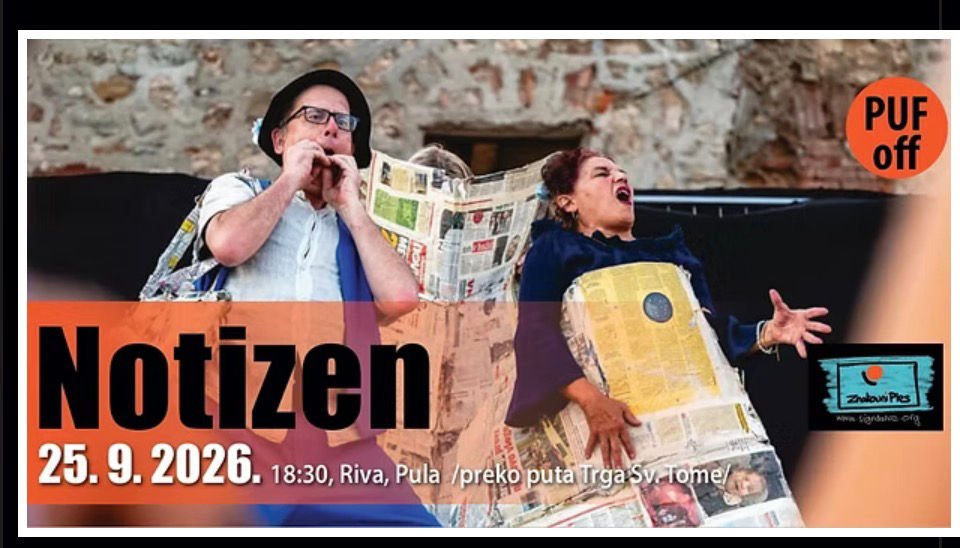
Attend performances by groups like The Signdance Group. Experiencing the art live offers the fullest impact.
Learn basic sign language to deepen your appreciation of the language’s beauty and complexity.
Engage with Deaf culture through books, films, and community events.
Support inclusive arts organizations that promote accessibility and diversity.
Share your experiences on social media to raise awareness and encourage others to explore signdance theatre.
Collaborate if you are an artist by reaching out to Deaf performers and creators to learn and create together.
By taking these steps, you help expand the reach and impact of this unique art form.
The Future of Signdance Performance Art
Looking ahead, signdance theatre holds exciting possibilities. As technology advances, new tools can enhance accessibility and creativity. Virtual performances, interactive media, and digital storytelling may open fresh avenues for expression.
The Signdance Group and similar pioneers continue to innovate, blending tradition with modernity. Their work inspires a new generation of artists and audiences to embrace inclusivity and artistic exploration.
Ultimately, signdance theatre is more than performance. It is a movement toward a world where language, culture, and art unite us all. It invites us to see, feel, and understand in ways that transcend words.
I encourage you to dive into this vibrant art form. Witness its power to transform, connect, and inspire. Signdance theatre is a celebration of human expression in its most inclusive and beautiful form.


Comments